Nationalism
-
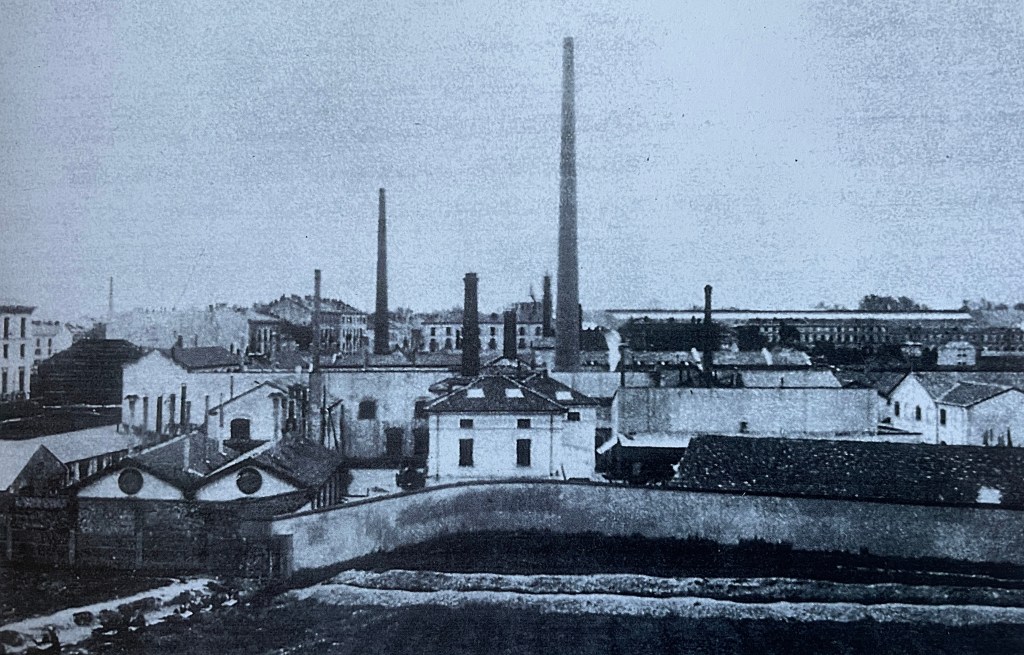
Historians usually trace the emergence of liberalism to England, France, and Germany, where in the early nineteenth century thinkers such as John Stuart Mill, François Guizot, and Wilhelm von Humboldt gave shape to a recognizable cluster of political ideas—but rarely to Italy. Yet in Carlo Cattaneo (1801–1869), Italy found a convincing and articulate spokesman for…
-
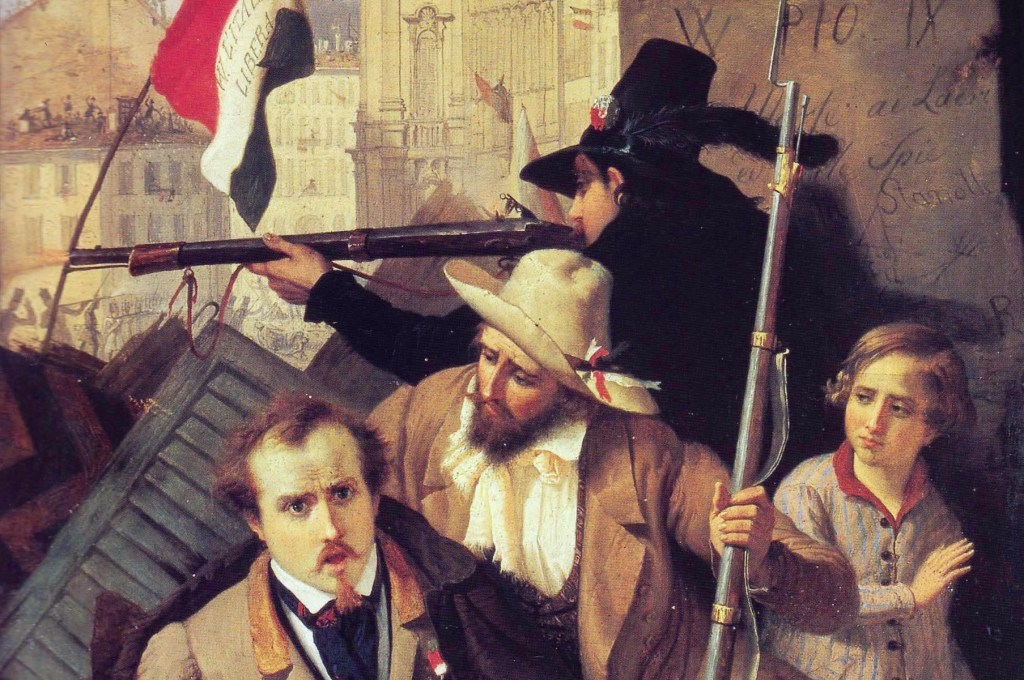
Carlo Cattaneo rarely gave a thought to Italy’s political organization, at least not in his published writings, until his involvement in the Revolutions of 1848 turned his world upside down. A native of Milan and a subject of the Austrian Empire after the Congress of Vienna, Cattaneo (1801–1869) did not begin as a revolutionary. The…
-
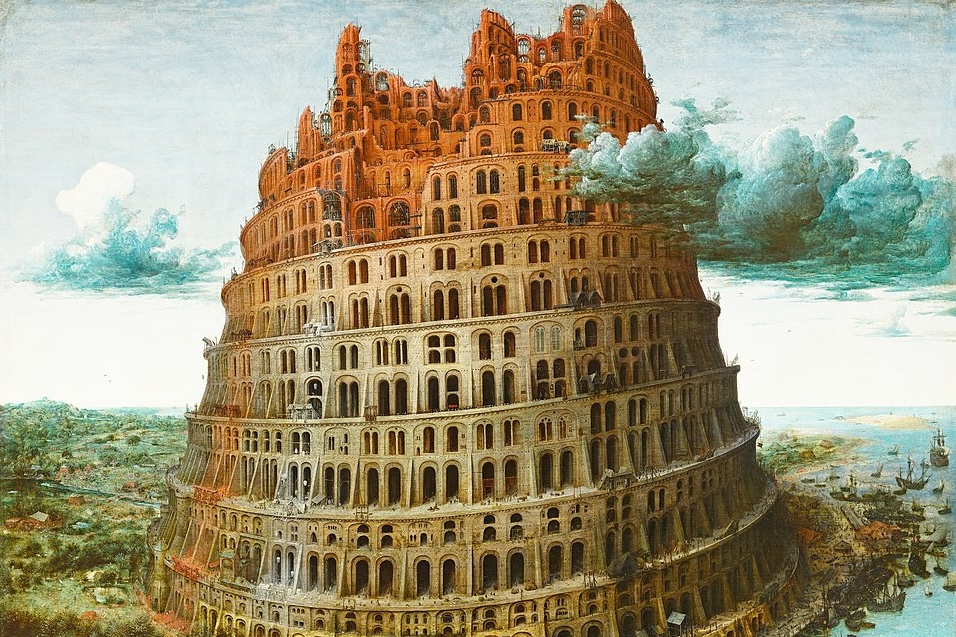
Linguistics and geology, the study of language and the study of the earth—these two fields of inquiry must, at first glance, appear to have little in common. And yet, as practiced in the early nineteenth century, both disciplines confronted a similar problem: how to determine what had happened in the deep past. Linguists at the time were just…
-
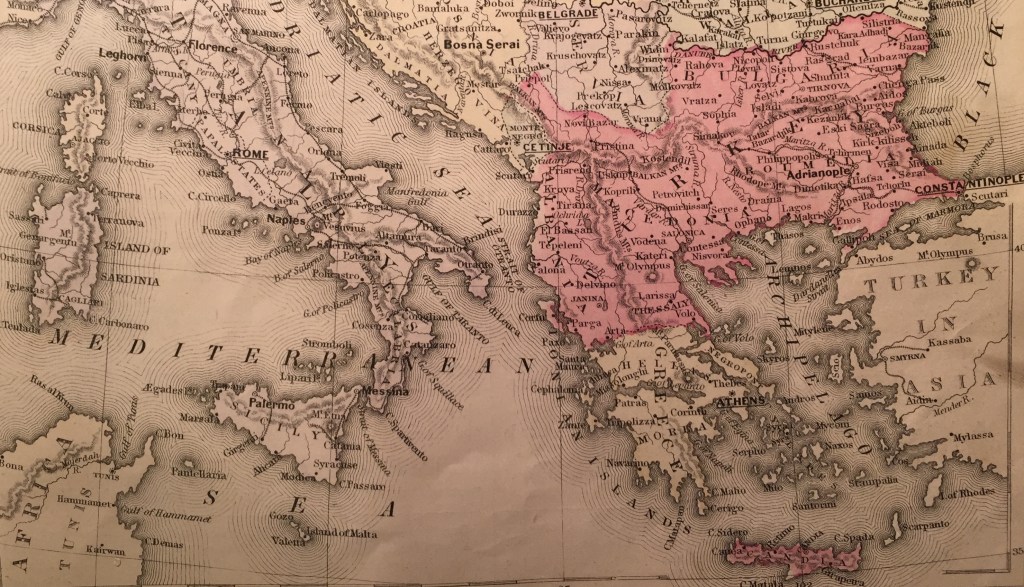
For Europeans in the 1860s, federalism was a familiar idea. Federations had been proposed as possible solutions for both Italian and German unification. In 1858, at Plombières, Louis Napoleon had suggested reorganizing Italy as a federation of four princely states with the pope at its head. A Germanic Confederation had existed ever since the Congress…
-
But what are nations? What are these groups which are so familiar to us, and yet, if we stop to think, so strange…? Walter Bagehot, Physics and Politics (1872) The nation-state, especially as it took shape in Europe during the nineteenth century, was perhaps the most paradoxical political institution of its age. Its impact on…
 World without Borders